Albania was closed to almost everyone until 1991, and it still carries that: 173,000 concrete bunkers in the fields, a capital repainted in bright colours by an artist-mayor, and a coast that went straight from forbidden to discovered without the decades of package tourism in between. It is also one of the cheapest countries in Europe to travel in, with food and hospitality that routinely embarrass richer neighbours.
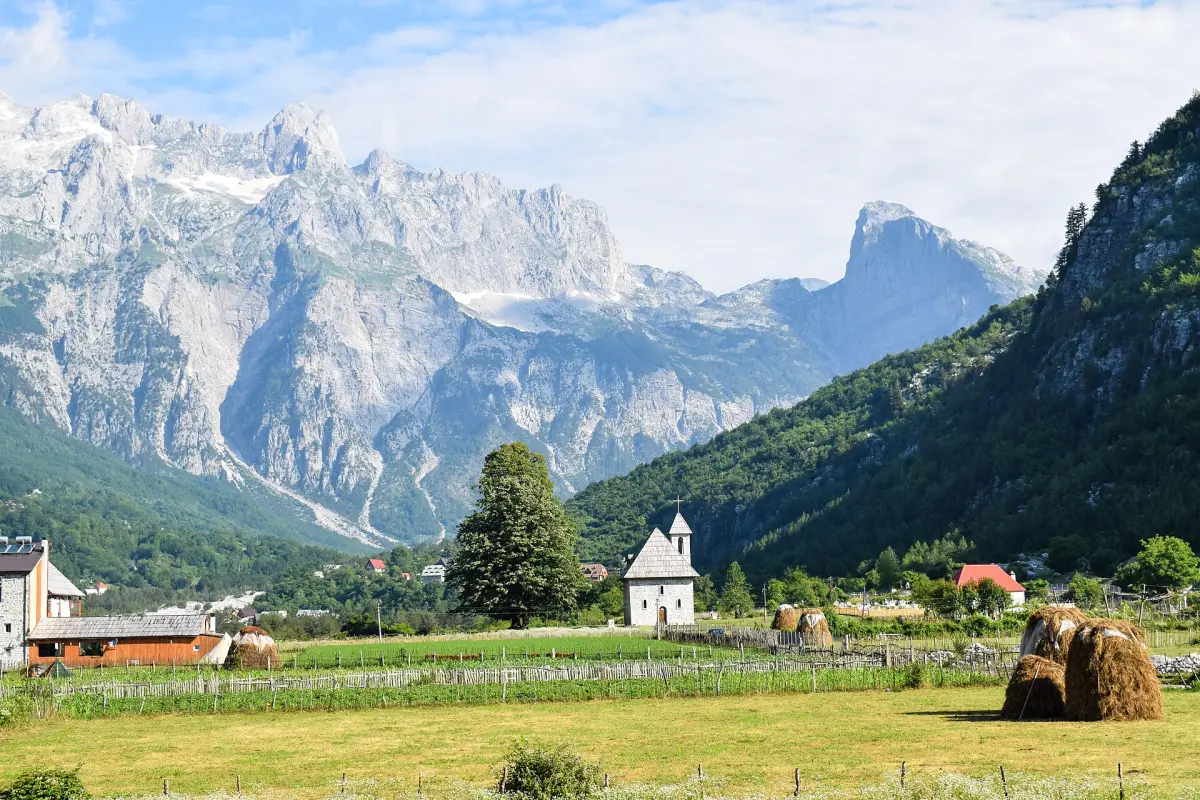
The country is 28,748 km², roughly the size of Belgium, and divides neatly in three: the Ottoman stone towns of the centre and south, a Riviera of turquoise coves on the Ionian, and the Accursed Mountains in the north, where Theth and Valbona sit in valleys that only got proper roads in the last decade. Roads have improved enormously; distances still take longer than the map suggests.
When to go, honestly
May, June and September are the sweet spot: warm sea from late May, mountain passes open, and prices and crowds well below August. July and August are hot - regularly above 35°C inland - and the Riviera, especially Ksamil and Dhërmi, is packed with Albanians, Kosovars and diaspora on holiday. The northern mountains are best from mid-June to September; the Valbona-Theth path is usually snow-free from June.
October is lovely in the south and in Berat and Gjirokastër. Winter is quiet and rainy on the coast and snowy in the mountains, and many Riviera hotels close from November to April.
Four Albanias
Four regions, each a different trip.
Tirana and the centre. Tirana is loud, colourful and fun: Skanderbeg Square, the pyramid of the former Hoxha museum rebuilt as a youth tech centre you can climb, and Bunk'Art, two museums in Cold War bunkers. Durrës, on the coast half an hour away, has a Roman amphitheatre in the middle of town, and Krujë, the hilltop castle of the national hero Skanderbeg, is an hour north.
The stone towns. Berat, the 'town of a thousand windows', climbs a hillside of white Ottoman houses under a castle that people still live in. Gjirokastër, further south, is grey stone, steep and atmospheric, with a huge castle and tower houses. Together they are one UNESCO site, and they are the heart of any first trip.
The Riviera and the far south. From the Llogara pass down to Sarandë: Dhërmi, Himarë, Porto Palermo's lonely castle, and the islands and coves of Ksamil. Butrint, near the Greek border, is a Greek, Roman and Venetian city in a lagoon forest and one of the best archaeological sites in the Mediterranean. Syri i Kaltër, the Blue Eye spring, is inland from Sarandë.
The Accursed Mountains. The Albanian Alps, called Bjeshkët e Nemuna. Theth is a valley of stone guesthouses, a lock-in tower and the Grunas waterfall; Valbona, the next valley, is reached by the Komani lake ferry through a gorge that locals and visitors both call the most beautiful boat ride in the Balkans. The walk between the two is a classic day.
Where nobody goes, and should
The south-east is almost entirely missed: Korçë, a lively old-town city with a good bazaar and its own beer, Voskopojë's ruined Byzantine churches, and Lake Ohrid's Albanian shore at Pogradec and Lin, where you can eat koran trout facing North Macedonia. Permet, in the Vjosa valley - Europe's first wild-river national park, declared in 2023 - has thermal pools under an Ottoman bridge at Bënjë and some of the best food in the country.
On the coast, skip Ksamil in August and try the smaller coves between Himarë and Borsh, or the Karaburun peninsula across the bay from Vlorë, reachable only by boat.
What to eat and drink
Albanian food is Mediterranean and mountain, and portions are generous. Tavë kosi (lamb baked in yoghurt) is the national dish; byrek, the flaky pie, is breakfast everywhere; fërgesë is peppers, tomato and curd cheese baked together; and qifqi, rice balls with herbs, is a Gjirokastër speciality. In the mountains, lamb, fresh cheese and honey; on the coast, grilled fish and mussels from the Butrint lagoon.
Raki - grape or mulberry - is poured as a welcome, and Albanian wine from Berat and around Tirana is better than its reputation. Coffee culture is serious: Tirana has more cafés per head than almost anywhere in Europe.
Where everything is
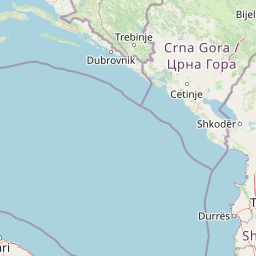
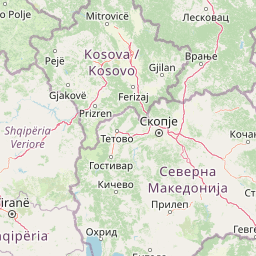
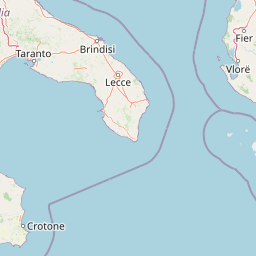
Every place named in this guide, on one map. Distances here are short - that is the whole planning trick.
Albania itineraries, by the kind of traveller you are
Four plans for the same country. They are written as schedules because the hard part here is not what to see, it is what order to see it in.
First time here
6 days
One night Tirana, two Berat, two Gjirokastër or Sarandë, one Himarë
Day 1Tirana. Skanderbeg Square, the Pyramid, Bunk'Art 2 in the centre, and dinner in the Blloku district, once the sealed-off quarter of the communist elite.
Day 2Berat. Two hours south. Walk the Mangalem quarter, climb to the castle, and see the Onufri icons in the cathedral inside it.
Day 3Gjirokastër. Three hours via the Drino valley. The castle and its arms museum, the Skenduli house, and the old bazaar at dusk.
Day 4Blue Eye and Butrint. The Blue Eye spring in the morning, before the car park fills, then Butrint in the afternoon. Sleep in Sarandë or Ksamil.
Day 5The Riviera. North along the coast: Porto Palermo's castle, then a beach day at Himarë.
Day 6Llogara and back. Over the Llogara pass - the view down onto the coast is the classic Albania postcard - and back to Tirana via Vlorë.
Tirana is the airport nearly everyone uses - Vlorë's new airport is built but did not open for the 2026 season. From the south, the fast ferry from Corfu to Sarandë takes about half an hour.
Hikers
5 days
Shkodër, then two nights Valbona, two Theth
Day 1Shkodër. Rozafa castle over three rivers, and the lakeside. Organise the Komani ferry transfer here - guesthouses do it for you.
Day 2Komani lake to Valbona. A two-to-three-hour ferry through the gorge, then a minibus up the valley. Sleep in a guesthouse in Valbona.
Day 3Valbona to Theth. The classic pass walk, about 17 km with 1,000 m of climbing, over the Valbona Pass at around 1,800 m. Luggage can be sent round by car.
Day 4Theth. The Blue Eye of Theth and the Grunas waterfall, and the lock-in tower where blood-feud families once took refuge.
Day 5Back to Shkodër. The Theth road is now paved all the way; the drive over the Qafa e Thorës pass is spectacular.
The Peaks of the Balkans trail links Albania, Montenegro and Kosovo through these valleys over about ten days; border permits for the Montenegro and Kosovo sections are needed in advance.
Slow, with food and the south-east
4 days
Two nights Korçë, two Përmet
Day 1Korçë. The old bazaar, the cathedral, and a Korça beer at the brewery that makes it.
Day 2Lake Ohrid and Voskopojë. Koran trout in Lin or Pogradec at lunch, the churches of Voskopojë in the afternoon.
Day 3The road to Përmet. Through the mountains to the Vjosa valley. Slow food, local raki and gliko, the preserved-fruit sweet the town is known for.
Day 4Bënjë thermal pools. Sulphur pools under an Ottoman bridge in a canyon, then a walk up the Lengarica gorge.
With kids
4 days
One base on the Riviera, a day inland
Day 1Ksamil beaches. Shallow, clear water and little islands you can paddle to. Go in June or September for space.
Day 2Butrint. Ruins, tortoises, a lagoon forest and a small cable ferry nearby. A good half day.
Day 3The Blue Eye. A short woodland walk to a spring so blue it looks fake. Swimming is not allowed, and it is cold anyway.
Day 4Gjirokastër castle. Tanks and cannons in the castle gallery and an American spy plane on the ramparts.
Things to do in Albania
Take the Komani lake ferryKoman to FierzëTwo to three hours through a gorge. Summer only; book through a Shkodër guesthouse.
Walk from Valbona to ThethAccursed MountainsA full day over a pass. June to September.
Wander a UNESCO Ottoman townBerat and GjirokastërStay the night in each; day-trippers leave by five.
See a lagoon-forest ancient cityButrintGo early in summer - there is little shade.
Descend into a Cold War bunkerBunk'Art 1 and 2, TiranaTwo different museums; the second is right in the centre.
Drive the Llogara passVlorë to DhërmiThe view down onto the Riviera is the famous one.
Bathe in thermal pools under a bridgeBënjë, near PërmetFree, natural, and a short walk from the road.
Raft the VjosaPërmetEurope's first wild-river national park. Gentle in summer.
What our explorers actually reached
19 explorers with public maps have marked Albania, and 5 of them went on to mark the counties they reached. The typical one reached 4 of 12 - 33% of the country - and the most thorough quarter reached 50% or more. Between them, 2 counties still have no mark from anyone.
Typical explorer 33% · top quarter 50%+
The counties they marked most: Tiranë, Vlorë, Fier, Shkodër, Berat.
And where they went instead
63% of explorers who marked Albania also marked Montenegro (vs 18% of everyone)
84% of explorers who marked Albania also marked Croatia (vs 38% of everyone)
42% of explorers who marked Albania also marked Kosovo (vs 8% of everyone)
Read these as marks on maps, not as reviews: our explorers skew European, and a country nobody has marked is not a country worth skipping. Aggregates only, never an individual, and only from accounts that are public. Read on 24 September 2026.
Practicalities
Money
The lek (ALL). Euros are widely accepted on the coast but at a poor rate; cash matters more here than anywhere else in this list, especially in the mountains.
Borders
Albania is outside the EU and Schengen. EU citizens can enter with an ID card, and most other visitors need only a passport for up to 90 days.
Getting around
Furgons (minibuses) and buses link every town, cheaply and informally - ask at the hotel where they leave from. Driving is fine on the main roads, lively in the cities, and slow in the mountains.
Water and comfort
Drink bottled water. Guesthouses in Theth and Valbona are simple, warm and serve huge home-cooked dinners; book ahead in July and August.
Flights, hotels and getting around
Tirana (TIA) is the main way in. Nearly everyone flies here - Vlorë's new airport did not open for 2026. Podgorica overland and the fast ferry from Corfu to Sarandë are the back doors.
These are plain searches on other people's sites - no affiliate tags, no tracking, and we earn nothing if you book. If that ever changes, this line changes with it.
Other people worth reading
We are a map, not a guidebook, and these are better than us on the parts we are thin on. Hand-picked, nothing sponsored, nothing scraped.
AlbaniaWikivoyageThe best practical overview, with furgon and ferry detail.
Albanian AlpsWikivoyageTheth, Valbona and the Komani ferry in one page.
Albania travelalbania.alThe national tourism portal. Good for regional overviews.
Six to seven days covers Tirana, Berat, Gjirokastër, Butrint and a stretch of the Riviera. Add three or four days for the Accursed Mountains and the Komani ferry, which most people who have been say is the highlight.
Is Albania safe for travellers?
Yes. Violent crime against visitors is rare and people are famously hospitable. The real risks are the roads - drive defensively - and the summer heat.
Which is better, Berat or Gjirokastër?
Berat is prettier, Gjirokastër more atmospheric. They are one UNESCO site and about three hours apart; if you only have time for one, Berat is closer to Tirana.
Is the Albanian Riviera crowded?
In July and August, yes - especially Ksamil and Dhërmi. In June and September it is quiet, the sea is still warm, and prices drop sharply.
Been to Albania?
Mark it, and the counties you reached, and your own map starts answering this question for you.