Slovenia is the rare country where you can be on a glacier-fed lake in the morning, in a karst cave at lunch and eating fish on the Adriatic by dinner. It is 20,271 km² - smaller than Wales - and almost everywhere in it is inside a two-hour drive of everywhere else. That is the single most useful fact for planning a trip here: you do not need to choose between the Alps, the caves, the wine country and the coast. You need to choose your base.
It is also the greenest country in Europe by forest cover, with more than half its land wooded and a third of it under some form of protection. The flip side is that the famous parts get crowded in July and August - Bled especially - while valleys twenty minutes away stay quiet. This guide is built around that gap.
Late May to mid-June and September are the best weeks. The mountain huts are open, the Soča is still high with snowmelt, the lakes are warm enough to swim in by June, and Bled is busy rather than solid. July and August are hot, and the Ljubljana-Bled-Postojna triangle fills with coaches; if that is when you travel, sleep outside the triangle and start early.
October is underrated: the Karst turns red with sumac, the vineyards in Brda are harvesting, and the crowds have gone. Winter is a proper ski season - Kranjska Gora and Vogel in the west, Krvavec above Ljubljana, Rogla and Pohorje in the east - and it is also when the thermal spas of Prekmurje make sense. Ljubljana's December market is small and genuinely nice.
It helps to think of the country as five quite different places, all close together.
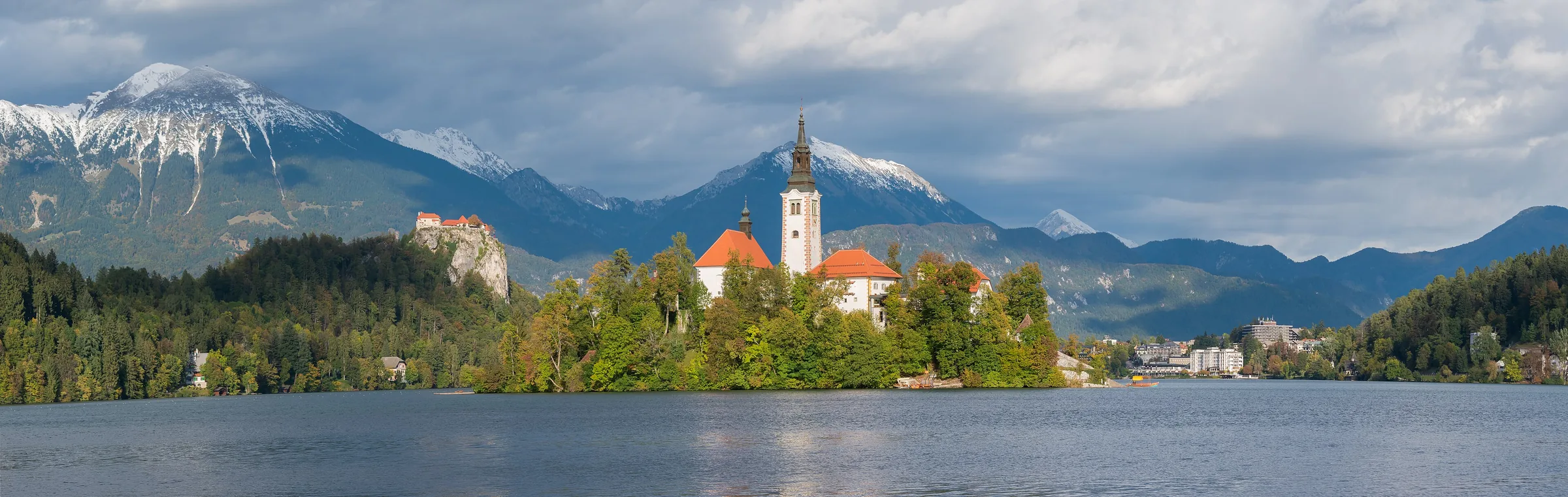
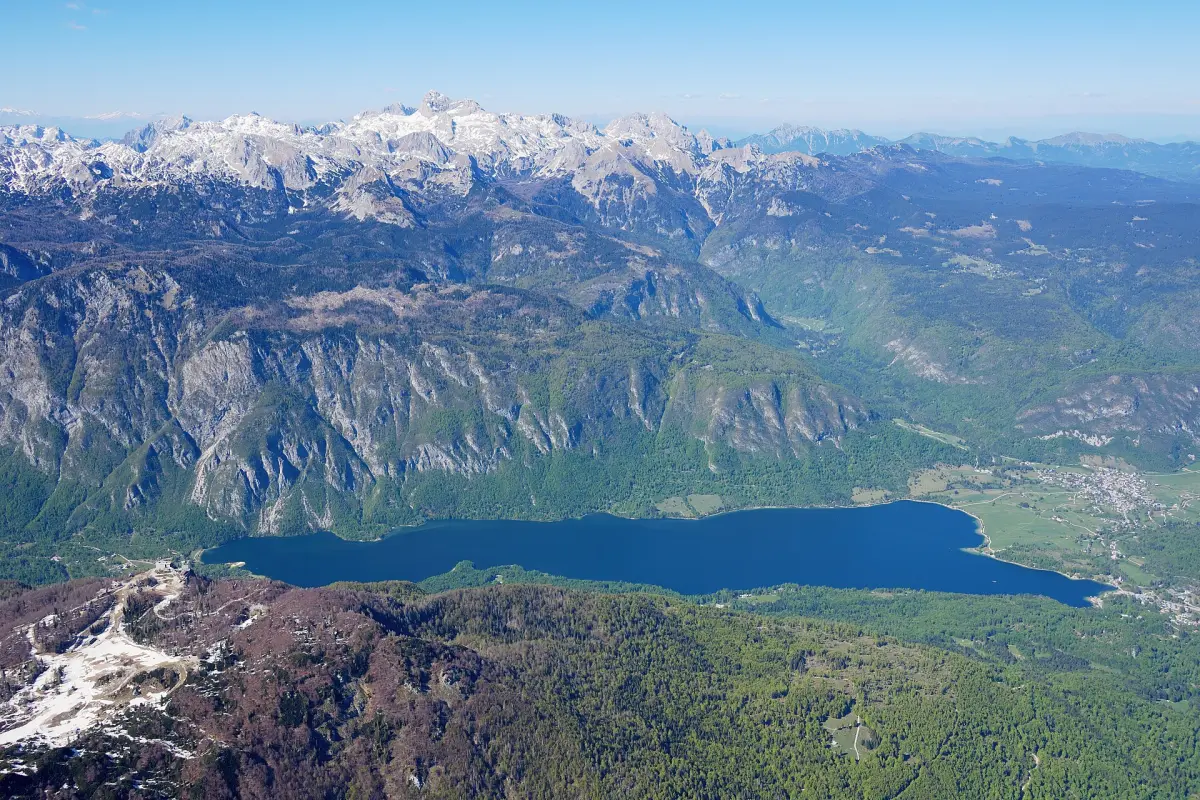
The Julian Alps. Bled, Bohinj, Triglav National Park, the Vršič pass and Kranjska Gora. Lakes and limestone. Bled is the postcard, Bohinj is the one people come back for, and the Vršič road over to the Soča is one of the great alpine drives - 50 hairpins, and a wooden Russian chapel built in 1916 by prisoners of war who were forced to build the road.
The Soča valley. Bovec, Kobarid and Tolmin, on the far side of the pass. Emerald water, whitewater rafting and kayaking, and a heavy First World War history: the Isonzo front ran through here, and the museum in Kobarid is one of the best small war museums in Europe.
The Karst and the caves. Between Ljubljana and the sea. Škocjan Caves are UNESCO-listed and, to my mind, the better cave; Postojna is longer, has run a cave railway since 1872, and has the olm - the blind cave salamander locals call the human fish. Predjama Castle is built into a cave mouth ten minutes away, and Lipica has bred Lipizzaner horses since 1580.
The coast and Istria. All 46.6 km of it. Piran is a Venetian town on a headland with a proper square, a good church viewpoint and no room for cars; Koper is the working port with a surprising old core; Portorož is the resort strip. Inland Istria - Hrastovlje, the Karst villages, olive oil and teran wine - is where the good eating is.
The east. Maribor, Ptuj, the Jeruzalem wine hills, Prekmurje's flat stork country and its thermal spas. Ptuj is the oldest recorded town in the country and throws Kurentovanje, a fur-suited carnival, in February. Almost no foreign visitors get here, which is most of its charm.
Where nobody goes, and should
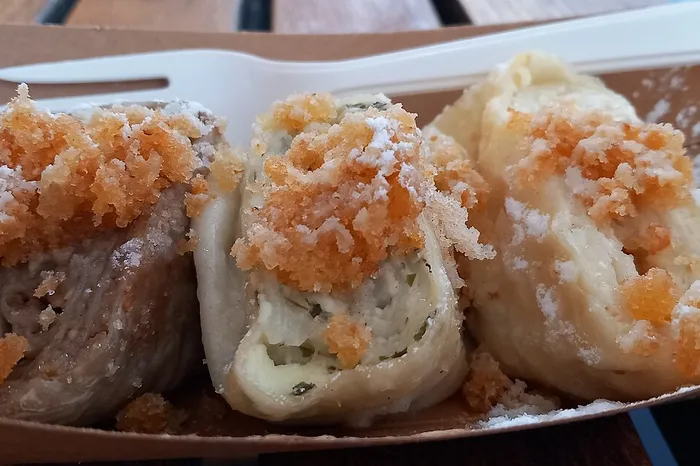
Three places do the same job as the famous ones with a fraction of the people. The Logar Valley, a glacial trough in the Kamnik-Savinja Alps with the 90 m Rinka waterfall at its head, is an hour and a half from Ljubljana and feels like a private Alps. Velika Planina, up a cable car from Kamniška Bistrica, is a high pasture still dotted with the conical wooden huts of working herders. And Idrija, a UNESCO site for what was once the world's second-largest mercury mine, serves žlikrofi - a protected little potato dumpling - in a valley town almost no tour bus reaches.
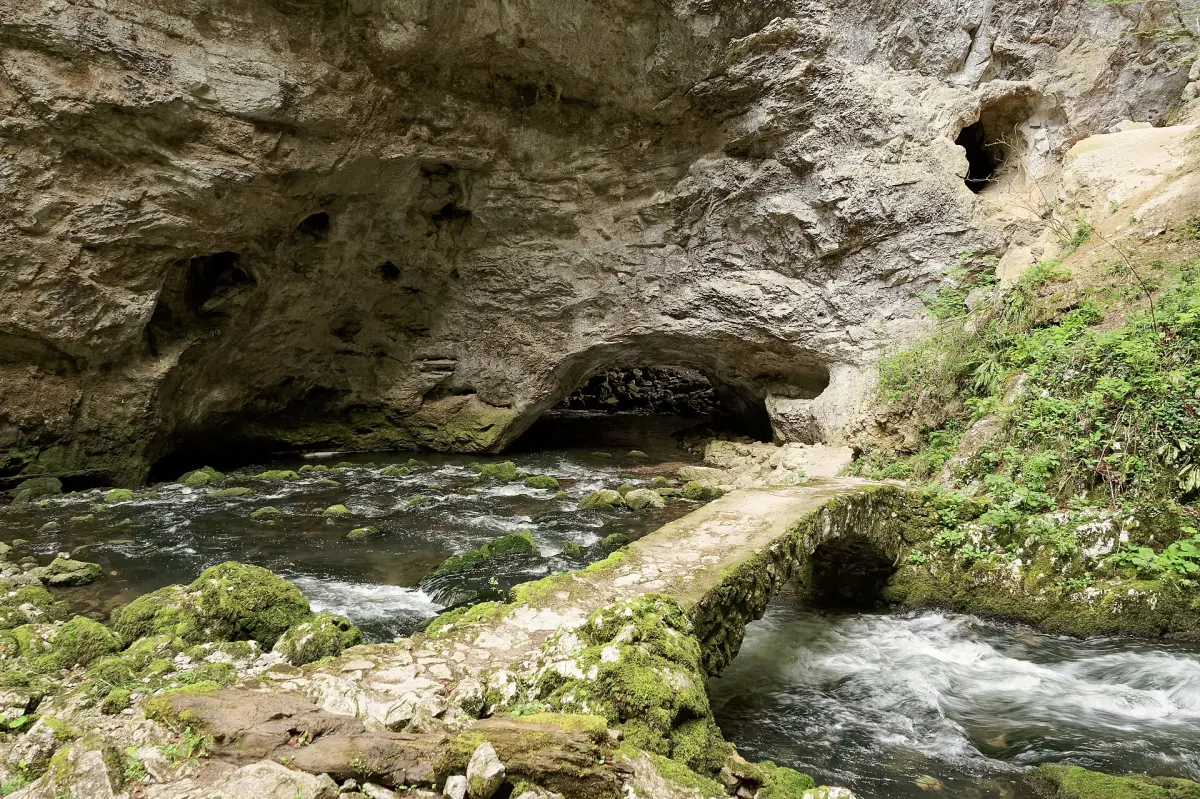
For water, skip the queue at Vintgar once and walk the Tolmin gorges or the boardwalks of Rak Škocjan instead. For a lake, Cerknica is Europe's largest intermittent lake: it appears in spring and drains away through the karst by late summer, which is either a marvel or an empty field depending on when you show up.
Slovenian food sits where Austria, Italy, Hungary and the Balkans meet, and it changes every 50 km. Look for štruklji (rolled dough with anything from tarragon to walnut), žlikrofi around Idrija, jota (a sour cabbage and bean stew) in the west, Carniolan sausage anywhere, and potica - a rolled walnut cake - at every holiday. On the coast you are eating Adriatic fish and truffles from Istria; in Prekmurje you are eating gibanica, a layered poppy-seed, walnut, apple and curd cheese bake.
The wine is the surprise. Goriška Brda and the Vipava Valley, on the Italian border, are the home of the orange-wine revival - long skin-contact whites from rebula and local grapes like zelen and pinela - and the growers are small enough that you can knock on the door. In the east, Štajerska makes crisp šipon (furmint) and sits next to the world's oldest documented vine, which still fruits on a house wall in Maribor.
Where everything is
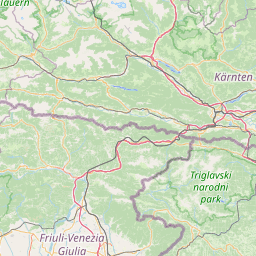
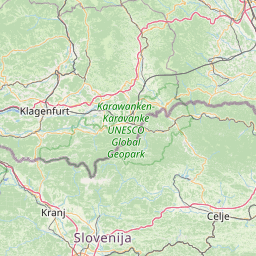
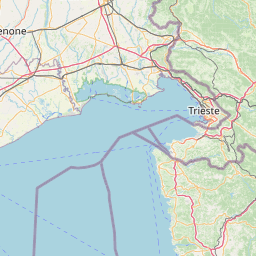
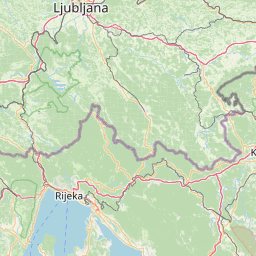
Every place named in this guide, on one map. Distances here are short - that is the whole planning trick.
Slovenia itineraries, by the kind of traveller you are
Four plans for the same country. They are written as schedules because the hard part here is not what to see, it is what order to see it in.
First time here
4 days
Base in Ljubljana for 2 nights, then Bled or Bohinj for 2
Day 1Ljubljana. Walk the Ljubljanica from Trnovo up through the old town, the market and Plečnik's colonnade, then the funicular up to the castle for the view over the Alps. Eat by the river. The centre is car-free and small enough to see properly in a day.
Day 2Caves and castle. Škocjan Caves in the morning (book ahead, take a layer - it is 12°C inside), Predjama Castle after lunch. Back in Ljubljana for the evening, or push on to the coast.
Day 3Bled and Vintgar. The island by pletna boat and the 99 steps, then the Vintgar gorge boardwalk, 4 km out of town. Do Vintgar first thing or last thing - midday is a queue. Kremšnita at the lake is a cliché worth having.
Day 4Bohinj. Twenty minutes from Bled and a different country: the biggest lake in Slovenia, swimmable, with the Vogel cable car above it and the Savica waterfall at the far end. If the weather turns, this is the day to drive the Vršič pass instead.
With only a weekend: Ljubljana plus Bohinj, and leave the caves out. Trying to add the coast to a two-day trip means you see roads.
Day 1Warm up on the Pokljuka plateau. Forest trails and easy summits above Bohinj to get your legs and your altitude. Sleep in Stara Fužina rather than Ribčev Laz.
Day 2Triglav's approach or Debela Peč. Triglav (2,864 m) is a two-day hut trip with via ferrata sections and needs a helmet, a harness and settled weather - book the hut through the Alpine Association. If that is not the trip, Debela Peč or Viševnik give you the same view for a long day walk.
Day 3Over the Vršič pass. Drive or ride the 50 hairpins, stop at the Russian chapel, then walk up to the source of the Soča on the far side. Sleep in Bovec.
Day 4The Soča. Raft or kayak in the morning - the water is class III-IV in spring - then the Kobarid museum and the walk up to the Kozjak waterfall in the afternoon.
Day 5Logar Valley or Velika Planina. On the way east: the Rinka waterfall and the valley floor, or the cable car up to the herders' huts on Velika Planina. Both are half-day stops that make the drive worth it.
Huts are run by the Alpine Association of Slovenia and fill on summer weekends. Check them, not booking sites.
Slow, with wine and a table booked
4 days
Two nights in Brda or Vipava, two on the Karst or the coast
Day 1Goriška Brda. Hill villages on the Italian border, rebula in every cellar, and Šmartno's walled centre. Book two growers, not five, and walk between them.
Day 2The Vipava valley. Zelen and pinela, the wind called the burja that shapes everything here, and long lunches. Vipava town, Goče, and the ruins above Ajdovščina.
Day 3Karst. Teran wine, pršut hung in the burja, Lipica's white horses, and Hrastovlje's fortified church with its Dance of Death fresco. Sleep in a Karst village.
Day 4Piran. Park outside and walk in. Tartini Square, the walls above the town for the roofs-and-sea view, and an early dinner of whatever came in that morning.
This trip works in October better than in August, and every stop on it is within an hour of the next.
With kids
3 days
One base, short drives
Day 1Postojna. The cave train is the win here - 24 km of cave, a 90-minute tour mostly on rails - plus the vivarium and the olms. Predjama Castle afterwards looks like a castle should.
Day 2Bled. Rowing boat to the island, the toboggan run down from the Straža hill, and the castle with its printing press. Flat lake path all the way round, 6 km, buggy-friendly.
Day 3Ljubljana. Funicular, dragons on the bridge, the puppet theatre, and a boat on the river. Tivoli park when everyone has had enough.
Swap in Velika Planina's cable car on a clear day - children generally prefer the huts and cows to another church.
Things to do in Slovenia
Raft or kayak the SočaBovecApril to June for the big water, July for families. Wetsuits included everywhere.
Walk into a UNESCO caveŠkocjan, or Postojna for the trainBoth are cold and both need booking in season.
Drive the Vršič passKranjska Gora to TrentaClosed by snow in winter, roughly November to May. 50 hairpins, all numbered.
Sleep in a mountain hutTriglav National ParkBook through the Alpine Association; bring cash and a sleeping bag liner.
Taste orange wine at the sourceGoriška Brda and VipavaCellars are family-run - phone ahead rather than turning up.
Ride a cable car to a herders' plateauVelika PlaninaHuts, cows and a view over half the country. Half a day from Ljubljana.
Swim in a glacial lakeBohinjWarm enough from late June. Bled allows swimming too, from the far shore.
Ski without the Alps price tagVogel, Kranjska Gora, Krvavec, RoglaSmall resorts, short lift queues, and Planica's ski-flying hill next door.
What our explorers actually reached
33 explorers with public maps have marked Slovenia, and 11 of them went on to mark the municipalities they reached. The typical one reached 2 of 193 - 1% of the country - and the most thorough quarter reached 4% or more. Between them, 134 municipalities still have no mark from anyone.
Typical explorer 1% · top quarter 4%+
The municipalities they marked most: Ljubljana, Koper, Bled, Sežana, Vrhnika.
And where they went instead
82% of explorers who marked Slovenia also marked Croatia (vs 38% of everyone)
88% of explorers who marked Slovenia also marked Austria (vs 52% of everyone)
85% of explorers who marked Slovenia also marked Hungary (vs 43% of everyone)
Read these as marks on maps, not as reviews: our explorers skew European, and a country nobody has marked is not a country worth skipping. Aggregates only, never an individual, and only from accounts that are public. Read on 24 September 2026.
Practicalities
Driving
You need an e-vignette for the motorways, bought online or at a petrol station before you join one. Mountain roads are good; the Vršič pass is closed by snow in winter.
Trains
Slow but scenic. The Bohinj railway from Jesenice to Nova Gorica has a car-carrying shuttle through the tunnel, which is a trip in its own right.
Money and language
Euro, Schengen. English is widely spoken, and older people in the east often speak German, on the coast Italian.
Water
Tap water is excellent everywhere. Mountain streams in the national park, less so - carry a filter on multi-day walks.
Flights, hotels and getting around
Ljubljana (LJU) is the main way in. Venice, Trieste, Zagreb and Klagenfurt are often cheaper and all under three hours away by road.
These are plain searches on other people's sites - no affiliate tags, no tracking, and we earn nothing if you book. If that ever changes, this line changes with it.
Other people worth reading
We are a map, not a guidebook, and these are better than us on the parts we are thin on. Hand-picked, nothing sponsored, nothing scraped.
SloveniaWikivoyageCommunity-written and unusually practical on buses, huts and prices. The best free starting point.
Julian AlpsWikivoyageThe mountain half of the country in one page, with the hut system explained.
Triglav National Parktnp.siThe park authority: trail closures, rules and the bits of the park people damage by accident.
Alpine Association of Sloveniapzs.siWho actually runs the mountain huts. Check here before booking a Triglav night anywhere else.
Official travel guideslovenia.infoThe tourist board. Strong on events and opening times, less useful on where not to go.
Common questions
How many days do you need in Slovenia?
Four days covers Ljubljana, the Julian Alps and one cave comfortably. Five to seven lets you add the Soča valley or the coast without spending the trip in the car, because nowhere in the country is more than about two hours from anywhere else.
Is Lake Bled worth it, or is it too crowded?
It is worth one day, early or late. The island, the 99 steps and the lake path are genuinely beautiful, and the crowds are concentrated between about 10am and 5pm in July and August. Lake Bohinj, twenty minutes away, is bigger, quieter and swimmable, and most people who have been to both prefer it.
Škocjan or Postojna - which cave?
Škocjan Caves are UNESCO-listed and the walk through the Murmuring Cave and over the bridge inside the collapsed chamber is the more dramatic experience. Postojna is longer, easier and has run a cave railway since 1872, which makes it the better choice with small children or limited mobility. Both need booking in summer and both sit at about 12°C.
Do you need a car in Slovenia?
Not for Ljubljana, Bled, Bohinj, Postojna or the coast - buses and trains reach all of them. You do need one for the Vršič pass, the Logar Valley, the Karst villages and the wine country, which is where the quiet half of the country is.
Been to Slovenia?
Mark it, and the municipalities you reached, and your own map starts answering this question for you.