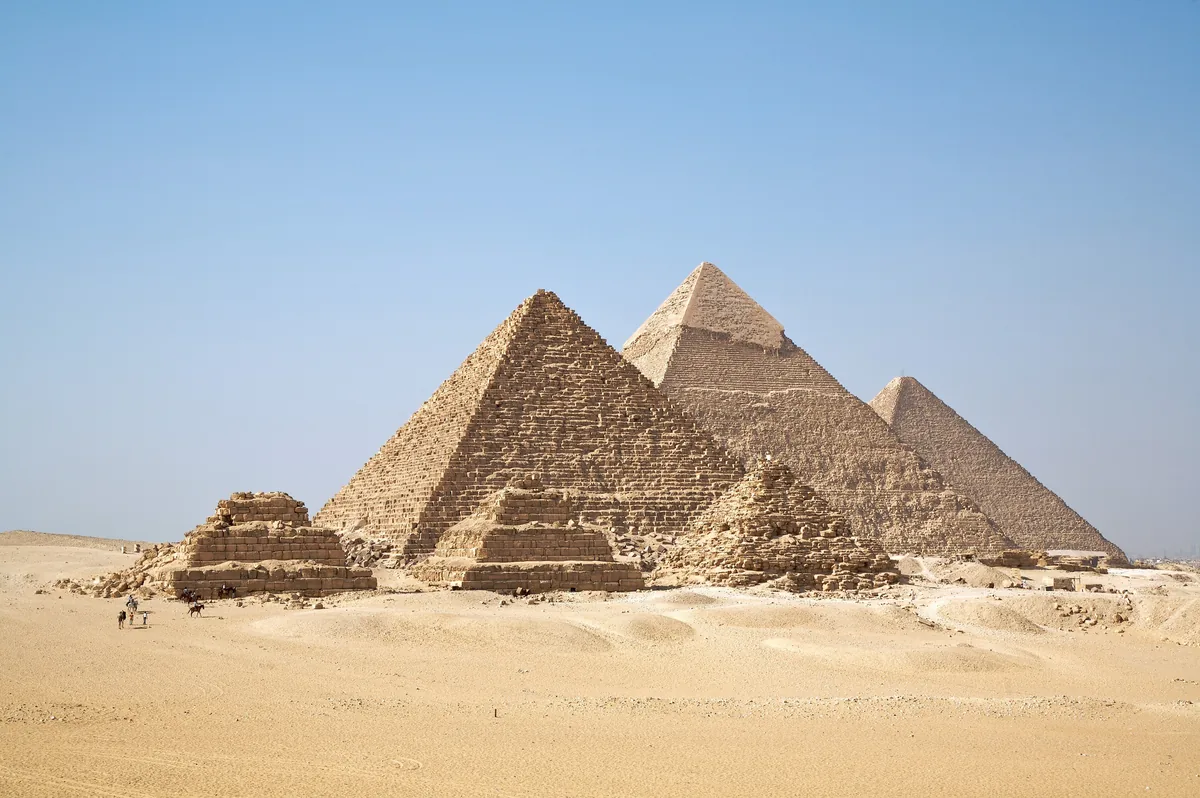
Egypt is the original travel destination: Greeks and Romans came to stare at the pyramids two thousand years ago, and they were already ancient then. Almost everything happens along one river - 95% of Egyptians live on about 5% of the land, in the Nile valley and delta - so the classic trip is a line from Cairo south to Luxor and Aswan, with temples, tombs and felucca sails all the way.
It is also intense. Cairo is a city of 22 million with traffic to match, touts work every famous site, and the summer heat in the south is brutal. Go in the cool season, hire a good guide for the big sites, and add a few days on the Red Sea, where some of the best coral reefs in the world start a few metres from the beach.
When to go, honestly
October to April is the season. From November to February days are around 20°C in Cairo and the mid-20s in Luxor and Aswan, nights are cool and the light is soft; it is also the busiest and most expensive time. From May to September Luxor and Aswan regularly pass 40°C and sightseeing has to happen at dawn. The Red Sea coast is good all year, though winter evenings are fresh and the water around 22°C.
Ramadan moves about eleven days earlier each year; in 2027 it falls roughly from early February to early March. Sites stay open, with shorter hours, and tourist restaurants serve during the day. Twice a year, around 22 February and 22 October, the rising sun lights the inner sanctuary of Abu Simbel - a famous, and very crowded, morning.
Five Egypts
Five regions, and a first trip usually does the first three in order.
Cairo and Giza. The pyramids of Giza and the Sphinx, the step pyramid of Saqqara and the Bent and Red pyramids of Dahshur, which you may have almost to yourself. The Grand Egyptian Museum next to the Giza plateau now holds Tutankhamun's complete collection. In the city, Islamic Cairo's mosques and the Khan el-Khalili bazaar, Coptic Cairo's churches, and the old Egyptian Museum on Tahrir Square.
Luxor. Ancient Thebes, the largest open-air museum in the world: the temples of Karnak and Luxor on the east bank, and on the west bank the Valley of the Kings, Hatshepsut's terraced temple and the Colossi of Memnon. Hot-air balloons rise over the west bank at dawn.
Aswan and Nubia. The most relaxed town on the Nile: feluccas between granite islands, the island temple of Philae, colourful Nubian villages and the Aswan High Dam. Abu Simbel's two rock temples, moved in the 1960s to escape the rising lake, are about three hours south by road or a short flight.
The Red Sea and Sinai. Hurghada and Marsa Alam on the mainland coast, Sharm el-Sheikh and Dahab in South Sinai: diving and snorkelling over reefs, Ras Mohammed national park and the Blue Hole. Inland, St Catherine's Monastery and the night climb up Mount Sinai for sunrise.
Alexandria and the coast. Founded by Alexander the Great, a Mediterranean city of cafés, a seafront corniche and the modern Bibliotheca Alexandrina, with the Roman catacombs of Kom el-Shoqafa and the Citadel of Qaitbay where the ancient lighthouse stood.
Where nobody goes, and should
Our explorers have marked 16 of Egypt's 27 governorates, and the typical one has been to three: Cairo, Giza and the Red Sea. Almost nobody has marked the Western Desert, and only a handful the temples between Luxor and Cairo.
The Western Desert oases are the other Egypt: Siwa, with its mud-brick fortress town and salt lakes near the Libyan border, and the White Desert near Farafra, where wind-carved chalk formations look like snow at dawn. North of Luxor, Dendera's Temple of Hathor still has its painted ceilings, and Abydos holds some of the finest reliefs in Egypt - both are easy day trips with very few visitors. And on a long day trip from Cairo, the Fayoum's Wadi El Hitan has 40-million-year-old whale skeletons lying in the sand.
What to eat and drink
Koshari - rice, lentils, pasta, chickpeas, crispy onions and spicy tomato sauce - is the national dish and costs very little. Breakfast is ful medames (stewed fava beans) and ta'ameya, Egypt's falafel made from fava beans rather than chickpeas. Try molokhia (a green soup), stuffed pigeon, feteer (a flaky layered pastry, sweet or savoury) and fresh juices from street stands: sugar cane, mango and guava in season.
Tea is everywhere, strong and sweet; ask for 'shai' at any café. Alcohol is available in hotels, Nile cruise boats, the Red Sea resorts and some restaurants; the local beer is Stella. Drink bottled water and be careful with salads and ice outside good restaurants.
Where everything is
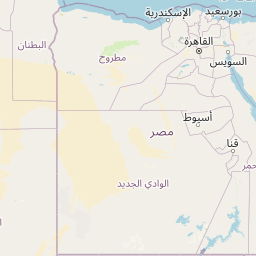
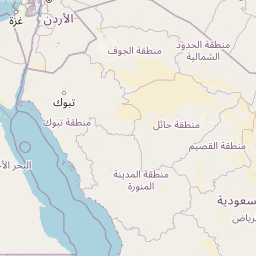
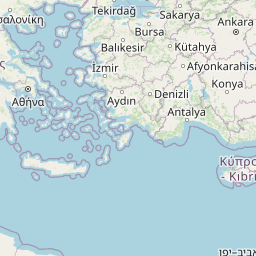
Every place named in this guide, on one map. Distances here are short - that is the whole planning trick.
Egypt itineraries, by the kind of traveller you are
Four plans for the same country. They are written as schedules because the hard part here is not what to see, it is what order to see it in.
First time here
9 days
Three nights Cairo, two in Aswan, three on the Nile or in Luxor
Day 1Giza. The pyramids and the Sphinx at opening time, before the heat and the tour buses.
Day 2The Grand Egyptian Museum. A full day: Tutankhamun's galleries, the grand staircase and the statue of Ramesses II. Book a timed ticket online.
Day 3Saqqara, Dahshur and Islamic Cairo. The step pyramid and the Red Pyramid in the morning, then Khan el-Khalili and the Citadel at dusk.
Day 4Fly to Aswan. A felucca at sunset around Elephantine and Kitchener's Island.
Day 5Abu Simbel and Philae. A very early start for Abu Simbel, then Philae's island temple in the afternoon.
Days 6-7Down the Nile. A short cruise or a road trip north via Kom Ombo and Edfu, the best-preserved temple in Egypt.
Day 8Luxor's west bank. A balloon at dawn, the Valley of the Kings, Hatshepsut's temple and the Colossi of Memnon.
Day 9Karnak and Luxor temple. Karnak in the morning, Luxor temple lit up at night, then fly home via Cairo or from Luxor.
A three- or four-night Nile cruise between Aswan and Luxor covers days 5 to 8 with all the temples on the way; small dahabiya sailing boats are slower and much more pleasant than the big ships.
Red Sea and Sinai
6 days
Dahab as a base
Day 1Dahab. Fly to Sharm el-Sheikh and drive an hour north to the laid-back seafront of Dahab.
Day 2The Blue Hole and the Canyon. Two of the most famous snorkel and dive sites on the Red Sea, straight from the shore.
Day 3Mount Sinai. Leave around midnight to climb Mount Sinai for sunrise, then visit St Catherine's Monastery.
Day 4Rest. Sleep, then a Bedouin dinner in the desert.
Day 5Ras Mohammed. A boat day to the national park at the southern tip of Sinai.
Day 6Home. Back via Sharm el-Sheikh.
If you only visit the South Sinai resorts, many nationalities can get a free Sinai-only entry stamp for up to 15 days; it does not cover trips to Cairo or the Nile.
Cairo in depth
4 days
For a long weekend, or before a cruise
Day 1Pyramids and Sphinx. Giza early; pay extra to go inside the Great Pyramid if you are not claustrophobic.
Day 2Grand Egyptian Museum. Take your time; the museum's restaurant terrace looks out over the pyramids.
Day 3Coptic and Islamic Cairo. The Hanging Church and Ben Ezra Synagogue, then Al-Muizz Street, the Sultan Hassan mosque and Al-Azhar Park for sunset.
Day 4Saqqara and Dahshur. The step pyramid, the tombs with painted reliefs, and the Bent Pyramid's strange angle.
The desert
5 days
Bahariya, the White Desert and Farafra
Day 1To Bahariya. About five hours from Cairo by road to the first oasis; hot springs at dusk.
Day 2The Black and the White Desert. By 4x4 past the volcanic Black Desert to the chalk sculptures of the White Desert, and a night camping among them.
Day 3Farafra. Sunrise over the white rocks, then the quiet oasis town.
Day 4Back towards Cairo. A long drive back through the desert.
Day 5Cairo. A slow last day in the city.
Go with a licensed operator; the desert roads need permits and some areas near the border are closed to visitors.
Things to do in Egypt
See the pyramids at opening timeGizaThe light is better and the crowds are smaller before 9am.
Spend a day at the Grand Egyptian MuseumGizaBook a timed ticket online in advance; busy days sell out.
Fly in a hot-air balloonLuxorAt dawn over the west bank; choose an operator with a good safety record.
Walk into a tomb in the Valley of the KingsLuxorThe standard ticket covers three tombs; Tutankhamun's and Seti I's need extra tickets.
Sail a feluccaAswanAgree the price and duration before you get on.
Snorkel a Red Sea reefMarsa Alam, Dahab, Ras MohammedDo not touch or stand on coral; use reef-safe sunscreen.
Climb Mount Sinai for sunriseSt CatherineAbout three hours up in the dark; bring a warm layer, the summit is cold.
Get lost in Khan el-KhaliliCairoStop for tea at El Fishawy, open for more than 200 years.
What our explorers actually reached
45 explorers with public maps have marked Egypt, and 14 of them went on to mark the governorates they reached. The typical one reached 3 of 27 - 11% of the country - and the most thorough quarter reached 19% or more. Between them, 11 governorates still have no mark from anyone.
Typical explorer 11% · top quarter 19%+
The governorates they marked most: Cairo, Giza, Red Sea, Qena, South Sinai.
And where they went instead
47% of explorers who marked Egypt also marked Jordan (vs 14% of everyone)
27% of explorers who marked Egypt also marked Oman (vs 9% of everyone)
27% of explorers who marked Egypt also marked Qatar (vs 8% of everyone)
Read these as marks on maps, not as reviews: our explorers skew European, and a country nobody has marked is not a country worth skipping. Aggregates only, never an individual, and only from accounts that are public. Read on 24 September 2026.
Practicalities
Money
The Egyptian pound (EGP). Cards work in hotels, malls and bigger restaurants; carry cash, including small notes, for taxis, markets and tips. Tipping (baksheesh) is expected for small services, from guides and drivers to whoever opens a tomb door for you.
Entry
Most visitors need a visa: buy the e-visa in advance at the official portal, or get one on arrival at the airport. A single-entry tourist visa costs about US$30 since 2026, and a further rise is planned for January 2027. Check that you are on the official .gov.eg site; there are many look-alikes.
Getting around
Domestic flights save long days between Cairo, Luxor, Aswan and the coast. Sleeper and day trains run Cairo-Luxor-Aswan. In Cairo, use Uber or Careem rather than street taxis. Foreigners pay higher entry fees than Egyptians at most sites; this is normal.
Safety and etiquette
The main tourist areas are well policed, but check your government's travel advice: North Sinai and the border areas are off-limits. Dress modestly outside the resorts, cover shoulders and knees in mosques and churches, and expect persistent selling at the big sites - a firm 'la, shukran' (no, thank you) works.
Flights, hotels and getting around
Cairo (CAI) is the main way in. Sphinx International (SPX) near Giza takes some European flights; Luxor (LXR) and Hurghada (HRG) are the main airports for the Nile and the Red Sea.
These are plain searches on other people's sites - no affiliate tags, no tracking, and we earn nothing if you book. If that ever changes, this line changes with it.
Other people worth reading
We are a map, not a guidebook, and these are better than us on the parts we are thin on. Hand-picked, nothing sponsored, nothing scraped.
EgyptWikivoyagePractical, with honest sections on touts, tipping and transport.
Egypt e-Visa portalvisa2egypt.gov.egThe official visa site; current fees and requirements.
Eight to ten days covers Cairo and Giza, Aswan with Abu Simbel, and Luxor, with a short cruise or a drive in between. Add four or five days for the Red Sea.
Nile cruise or travel independently?
A three- or four-night cruise between Aswan and Luxor is the easiest way to see the temples in between, and meals and guides are included. Independent travel by train and road is cheaper and more flexible but needs more planning.
Is Egypt safe for tourists?
The main tourist areas - Cairo, Giza, Luxor, Aswan and the Red Sea resorts - are generally safe and heavily policed. Avoid North Sinai and the border areas, follow your government's advice, and expect hassle rather than danger at the big sites.
Is Tutankhamun still in the Egyptian Museum in Tahrir?
No. His complete collection, including the gold mask, is now shown together at the Grand Egyptian Museum at Giza. The old museum in Tahrir is still worth a visit for everything else.
Been to Egypt?
Mark it, and the governorates you reached, and your own map starts answering this question for you.