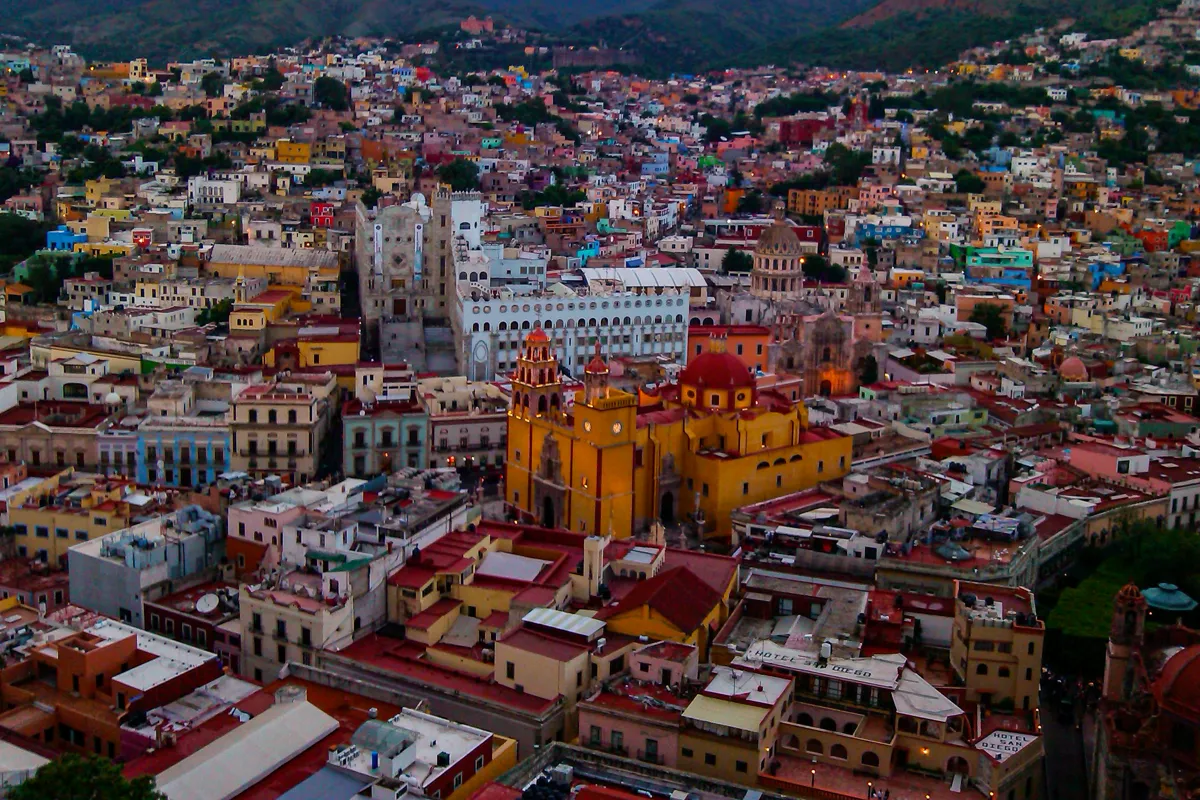
Mexico is almost four times the size of France and feels like several countries at once: a capital at 2,240 m with more museums than almost any city on Earth, Maya pyramids rising out of the Yucatán jungle, colonial hill towns painted every colour, and two coastlines, the Caribbean and the Pacific, that could not be more different.
Most first trips stay on the well-worn Cancún-Tulum strip and miss what makes the country special: the food, which UNESCO lists as intangible heritage, and the inland cities, where daily life is as much the reason to come as the sights. Give it time and travel slowly; the distances are huge.
When to go, honestly
November to April is the dry season almost everywhere, and the best time for a first trip: warm, sunny days on the coasts and in the Yucatán, and fresh mornings in the highlands, where Mexico City, Oaxaca and San Cristóbal can drop close to freezing at night in December and January.
May is the hottest month inland. From June to October comes the rainy season, usually short afternoon storms rather than all-day rain, and the land turns green. The hurricane season runs from June to November on both coasts, with the most risk from August to October. On the Caribbean coast, sargassum seaweed is worst from roughly April to September. Day of the Dead (1-2 November) and Easter week are the busiest times to travel inside the country.
Five Mexicos
Five regions, and a first trip of two weeks can fit two or three.
Mexico City. One of the largest cities in the world and one of the easiest to love: the Zócalo and the Aztec Templo Mayor in the historic centre, the National Museum of Anthropology, the leafy streets of Roma and Condesa, Frida Kahlo's Casa Azul in Coyoacán, and the canals of Xochimilco. The pyramids of Teotihuacan are an hour away.
Oaxaca. The country's food capital and a centre of indigenous culture: seven classic moles, mezcal distilleries, craft villages, and the Zapotec mountaintop city of Monte Albán. Hierve el Agua's petrified waterfalls are a day trip, and the Pacific surf town of Puerto Escondido is a short flight away.
The Yucatán and the Caribbean. Maya cities (Chichén Itzá, Uxmal, Cobá, Tulum), thousands of cenotes, the colonial towns of Mérida, Valladolid and Campeche, and the Caribbean coast from Cancún to the lagoon of Bacalar. The new Tren Maya line links many of them.
The colonial heartland. Silver-mining cities north of the capital: Guanajuato, built in a ravine with roads in tunnels under the old town, San Miguel de Allende with its pink Gothic-style church, Querétaro, and Puebla with its tiled churches and the best mole poblano.
Chiapas. Mexico's south-east, green and mountainous: the highland town of San Cristóbal de las Casas, Tzotzil and Tzeltal Maya villages, the Sumidero Canyon, and the jungle ruins of Palenque, perhaps the most beautiful Maya site of all.
Where nobody goes, and should
Campeche, a walled colonial port on the Gulf, is calm and pastel-coloured, and the base for Calakmul, a huge Maya city deep in a biosphere reserve where you can climb the pyramids above the forest canopy and hear howler monkeys. Most visitors to the Yucatán never get there.
In San Luis Potosí, the Huasteca Potosina is a region of turquoise rivers and waterfalls, with Edward James's surreal concrete garden, Las Pozas, hidden in the jungle at Xilitla. In the north, the Copper Canyon is larger than the Grand Canyon and is crossed by El Chepe, one of the great train rides of the Americas; check your government's advice for the route before you go.
What to eat and drink
Every region has its own kitchen. In Mexico City, tacos al pastor (pork from a vertical spit, with pineapple) are the late-night classic; in Oaxaca it's mole, tlayudas and chocolate; in the Yucatán it's cochinita pibil, pork slow-cooked in achiote and sour orange; in Puebla, mole poblano, and from about August to September, chiles en nogada. Street food is a highlight: pick busy stalls where the food is cooked in front of you.
Mezcal, made from agave in small distilleries, mostly in Oaxaca, is having its moment; tequila is the agave spirit of Jalisco and the town of the same name. Try horchata and agua de jamaica, and michelada (beer with lime, salt and spices). Drink bottled or filtered water, not tap water.
Where everything is
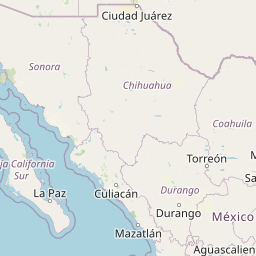
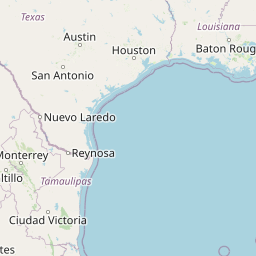
Every place named in this guide, on one map. Distances here are short - that is the whole planning trick.
Mexico itineraries, by the kind of traveller you are
Four plans for the same country. They are written as schedules because the hard part here is not what to see, it is what order to see it in.
First time here
10 days
Four nights in Mexico City, three in Oaxaca, three in the Yucatán
Day 1The historic centre. The Zócalo, the cathedral and the Templo Mayor, then the Diego Rivera murals in the Palacio Nacional.
Day 2Anthropology and Chapultepec. A full morning at the National Museum of Anthropology, then lunch and a walk in Roma or Condesa.
Day 3Teotihuacan. Go early to climb the Pyramid of the Sun before the heat and the crowds.
Day 4Coyoacán and Xochimilco. Frida Kahlo's Casa Azul (book tickets ahead), then a boat on the canals of Xochimilco.
Day 5To Oaxaca. A one-hour flight or a long bus ride. Evening in the zócalo and a first mole.
Day 6Monte Albán. The Zapotec city on its levelled mountaintop in the morning, the Santo Domingo church and markets in the afternoon.
Day 7Mezcal and Hierve el Agua. A day trip to the petrified waterfalls, with a stop at a mezcal distillery and the Tule tree.
Day 8To Mérida. Fly to the Yucatán's capital. Evening in the Plaza Grande.
Day 9Chichén Itzá and cenotes. Arrive at opening time, then swim in a cenote and stay in Valladolid.
Day 10To Cancún for home. Two hours' drive to Cancún airport, or add the coast if you have more time.
Domestic flights are cheap and save long days on the road: Mexico City, Oaxaca, Mérida and Cancún are all well connected.
The Yucatán loop
7 days
Cancún, Valladolid, Mérida, Tulum, Bacalar
Day 1Cancún to Valladolid. Leave the hotel zone behind; Valladolid is a quiet colonial town surrounded by cenotes.
Day 2Chichén Itzá. At opening time, before the coaches arrive. Afternoon at Ik Kil or another cenote.
Day 3Mérida. The Paseo de Montejo, the markets, and cochinita pibil for lunch.
Day 4Uxmal. A Puuc-style Maya city, quieter and more ornate than Chichén Itzá.
Day 5To Tulum. The ruins on the clifftop above the Caribbean, best early in the morning.
Day 6Cenotes and Cobá. Gran Cenote, then Cobá, where you can rent a bike to ride between ruins in the forest.
Day 7Bacalar. The lagoon of seven colours: kayak or swim in the clear fresh water.
A hire car is the easiest way to do this loop; the roads are good. Avoid driving at night, and use the toll roads (cuotas) where you can.
The colonial heartland
5 days
Querétaro, San Miguel de Allende, Guanajuato
Day 1Querétaro. Under three hours from Mexico City by bus: the aqueduct and the old town's plazas.
Day 2San Miguel de Allende. The Parroquia, the crafts market and the rooftop views at sunset.
Day 3Hot springs and the countryside. A morning in the hot springs outside town, or the botanical garden above it.
Day 4Guanajuato. The tunnels, the Callejón del Beso and the funicular up to the Pípila viewpoint.
Day 5Guanajuato's mines. A visit to the old silver mines, then back to Mexico City or fly out of León.
With kids
5 days
The Riviera Maya without the party
Day 1Akumal. Calm bay where sea turtles feed on the seagrass; snorkel with a licensed guide in the marked area.
Day 2Cenotes. Shallow, clear cenotes with platforms and life jackets, ideal for a first swim.
Day 3Cobá by bike. Rent bikes or a pedicab to ride between the ruins in the jungle.
Day 4Tulum ruins and beach. Early at the ruins, then the beach below them.
Day 5Bacalar. Calm, shallow lagoon water and kayaks: no waves, no sargassum.
Things to do in Mexico
Climb the Pyramid of the SunTeotihuacanGo at opening time; there is little shade.
Spend a morning at the anthropology museumMexico CityThe Aztec Sun Stone alone is worth the trip.
Swim in a cenoteValladolid, Tulum, MéridaRinse off sunscreen first: it harms the water.
Arrive at Chichén Itzá at openingYucatánClimbing the pyramid is not allowed.
Taste mole and mezcalOaxacaA cooking class or a market tour is the best introduction.
See Day of the DeadOaxaca, Pátzcuaro, Mexico City1-2 November; book months ahead.
Kayak the lagoon of seven coloursBacalarCalm and clear; go early before the wind.
Ride El Chepe through the Copper CanyonChihuahua to Los MochisCheck travel advice for the route first.
What our explorers actually reached
72 explorers with public maps have marked Mexico, and 27 of them went on to mark the states they reached. The typical one reached 2 of 32 - 6% of the country - and the most thorough quarter reached 11% or more. Between them, 14 states still have no mark from anyone.
Typical explorer 6% · top quarter 11%+
The states they marked most: Quintana Roo, Yucatán, Mexico City, State of Mexico, Baja California Sur.
And where they went instead
94% of explorers who marked Mexico also marked United States (vs 54% of everyone)
82% of explorers who marked Mexico also marked Spain (vs 71% of everyone)
78% of explorers who marked Mexico also marked Canada (vs 33% of everyone)
Read these as marks on maps, not as reviews: our explorers skew European, and a country nobody has marked is not a country worth skipping. Aggregates only, never an individual, and only from accounts that are public. Read on 1 November 2026.
Practicalities
Money
The Mexican peso (MXN). Cards are widely accepted in cities and hotels; carry cash for markets, street food and small towns. Use ATMs inside banks or shopping centres, and when a machine or card terminal offers to charge you in your home currency, choose pesos.
Entry
Most visitors from the EU, UK, US, Canada and Australia don't need a visa. The immigration officer decides how many days you get, up to 180, so have your return ticket and first address ready. Quintana Roo (Cancún, Tulum) also charges foreign visitors a state tourist tax, Visitax, paid online.
Getting around
First-class long-distance buses (ADO, ETN, Primera Plus) are comfortable and reliable, and domestic flights are cheap. In the Yucatán, the Tren Maya links Cancún, Mérida, Palenque and the coast. In big cities, use ride-hailing apps or official taxi ranks.
Safety
Safety varies a lot from state to state, so read your government's advice by state, not for the country as a whole. The main tourist areas are generally fine with ordinary care: avoid driving at night, use official taxis or apps, and keep valuables out of sight.
Flights, hotels and getting around
Mexico City (MEX) is the main way in. Cancún (CUN) is the gateway for the Yucatán and the Caribbean coast; Oaxaca (OAX) and Guadalajara (GDL) have direct flights from the US.
These are plain searches on other people's sites - no affiliate tags, no tracking, and we earn nothing if you book. If that ever changes, this line changes with it.
Other people worth reading
We are a map, not a guidebook, and these are better than us on the parts we are thin on. Hand-picked, nothing sponsored, nothing scraped.
MexicoWikivoyagePractical and frank, including regional safety notes.
Mexico CityWikivoyageNeighbourhoods, transport and the museums.
Tren Mayatrenmaya.gob.mxRoutes and tickets for the Yucatán train.
INAHinah.gob.mxThe national institute that runs the archaeological sites and museums.
Common questions
How many days do you need in Mexico?
A week covers one region well, for example the Yucatán or Mexico City and Oaxaca. Two weeks lets you combine the capital, Oaxaca and the Yucatán, using domestic flights to save time.
Is Mexico safe for tourists?
It depends on where. The main tourist regions, including Mexico City, Oaxaca, the Yucatán and the colonial heartland, are visited by millions of people a year without trouble. Some states have serious security problems, so check your government's advice by state, and avoid driving at night.
When is the best time to visit Mexico?
November to April, the dry season, is best for most of the country. December and Easter are the busiest and most expensive weeks on the coasts. The rainy season, June to October, is greener and quieter, with mostly afternoon storms, but it is also hurricane season on the coasts.
Can you drink the tap water in Mexico?
No. Drink bottled or filtered water; most hotels provide it. Ice in restaurants and bars is usually made from purified water.
Been to Mexico?
Mark it, and the states you reached, and your own map starts answering this question for you.